


Cottage Farmhouse Dining Table Legs - Unfinished Turned Hardwood, Set of 4
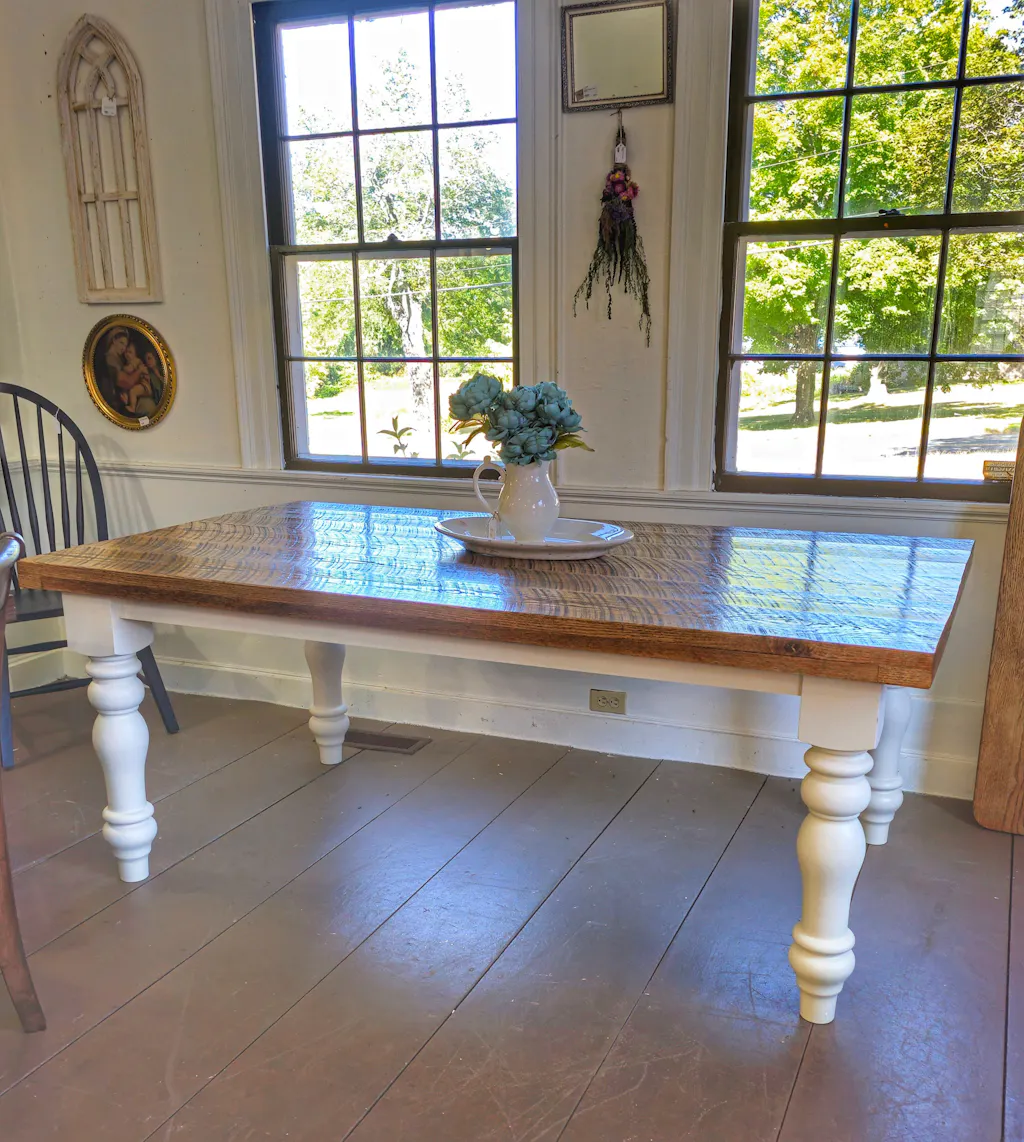
The legs looked great. Exactly what we wanted.
Your company is GREATLY APPRECIATED by me!!
I am MOST SATISFIED WITH ALL THE PRODUCTS I have ordered and received in such a timely manner!!
THANK YOU!!
Beautiful table legs. Will order again.
I had to extend the legs to make an 18” tall bench—to match chair height, but I love the chunky leg style. Well made for painting.
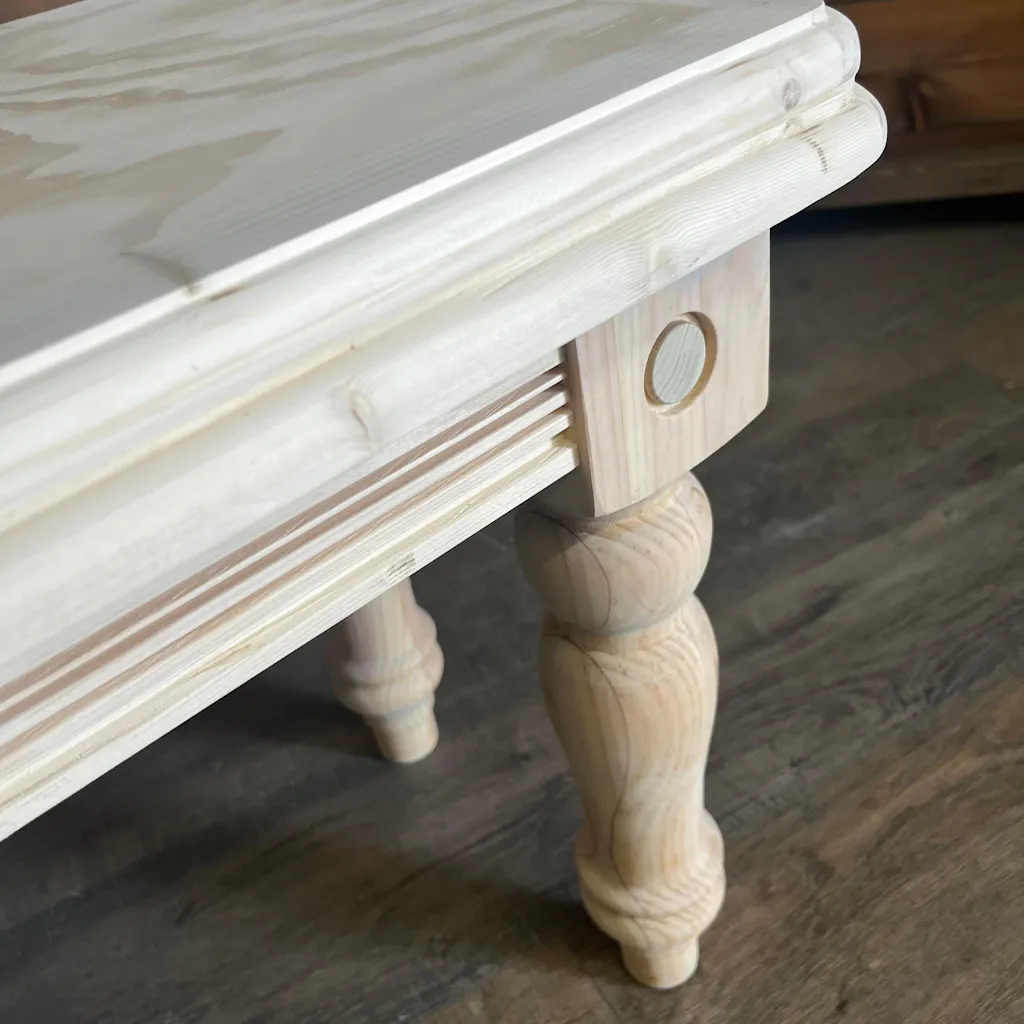
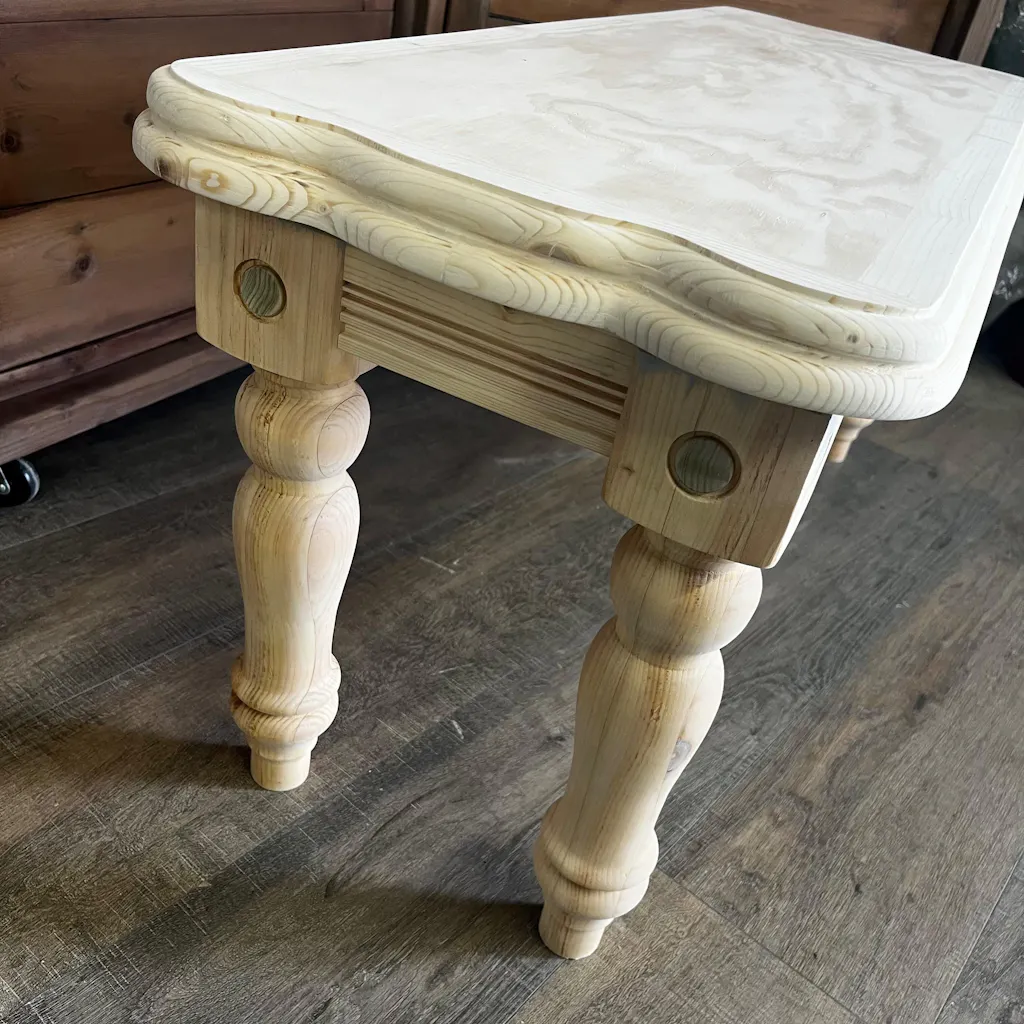
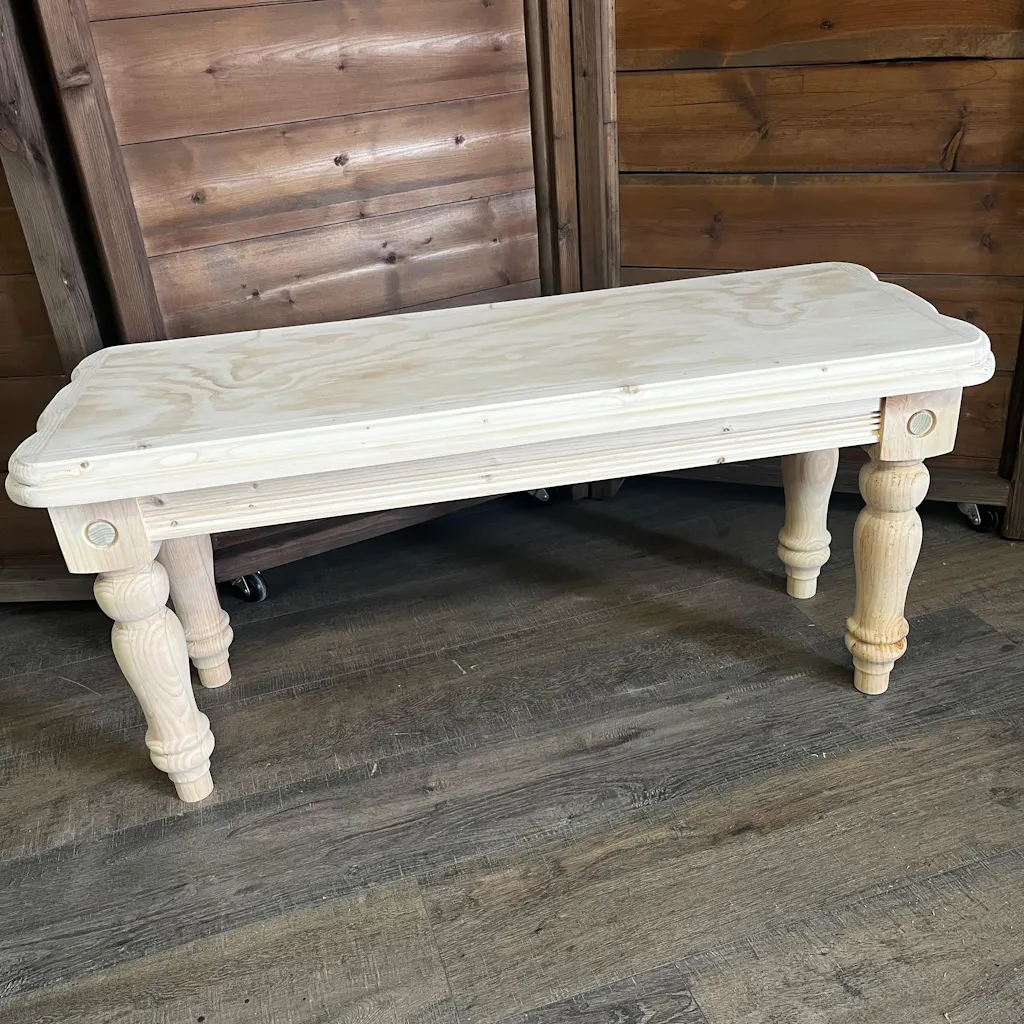
Great legs and look great stained. No problems
They're beautiful and sturdy and exactly what I wanted for my table. Super minor critique is I wish they were sanded down a grit or two more bc they're a little rough to the touch. Not an issue if you have the right sanding tools to go around all the curves and get in the narrow spaces tho.
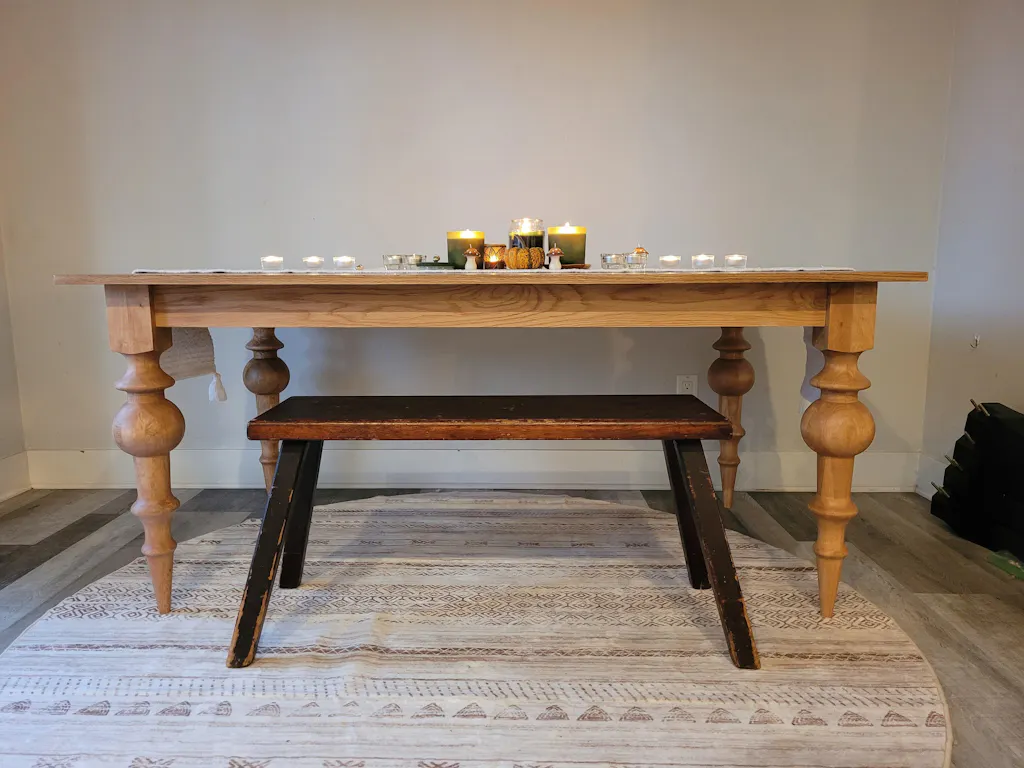
Not sure why anyone would NOT give five stars. These are fabulous, especially for the price. I will send photo when my table is done. LOVE these.
Amazing product with lighting fast shipping! 10 stars!!
Fits on my lovesac so the vacuum can go under the couch
great product overall
I ordered the 29” x 3.5” shank legs for my long, skinny table I wanted to build. They were perfectly packed and exactly as described. They look wonderful and are very sturdy and level. And they arrived very quickly! Lots of wins!
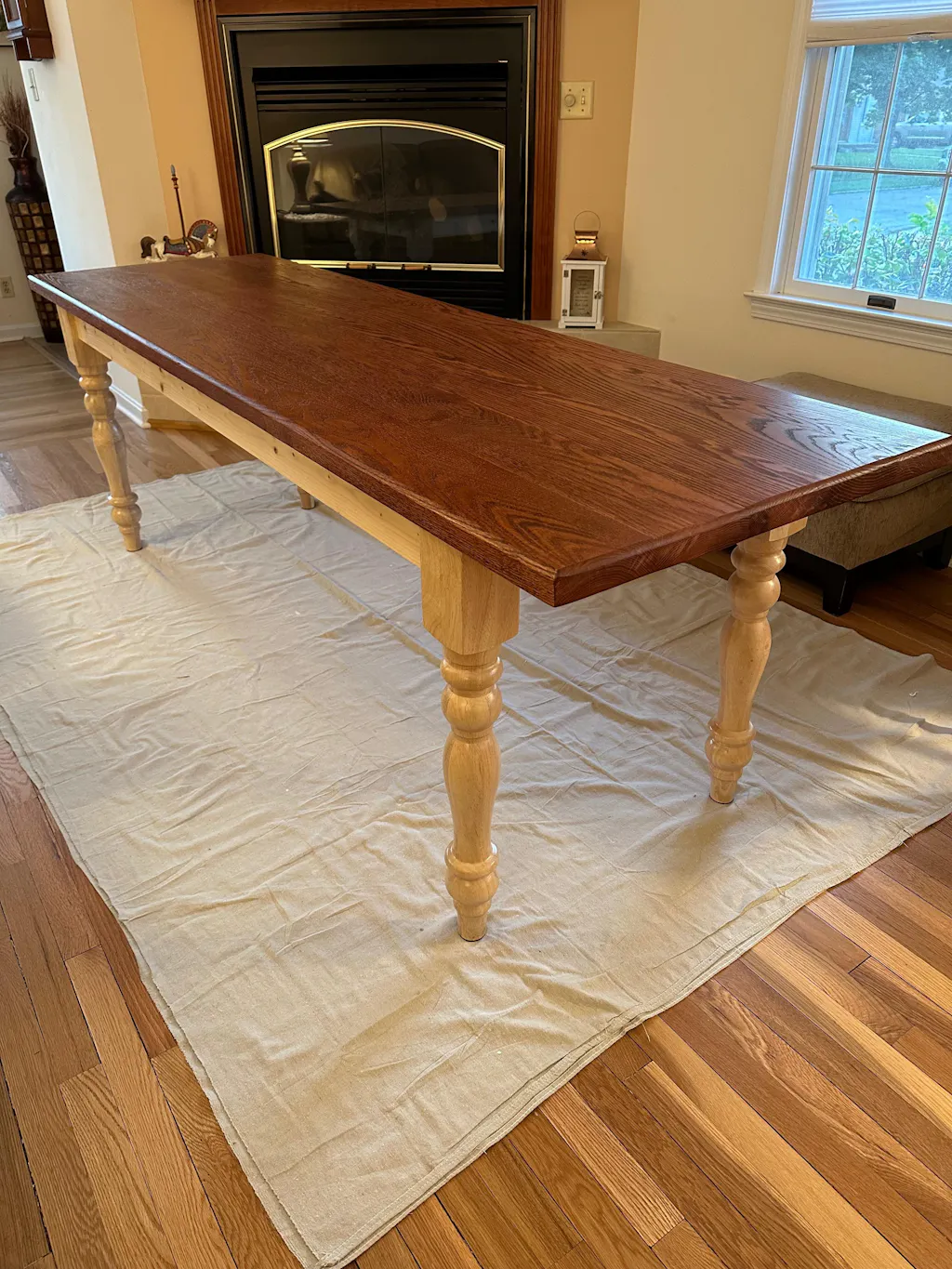
Unfinished Cottage Farmhouse Dining Table Legs- Turned Wood Legs- Design 59 inc
I was very pleased with the table legs and island leg I ordered. The quality was great and shipping was timely! A+
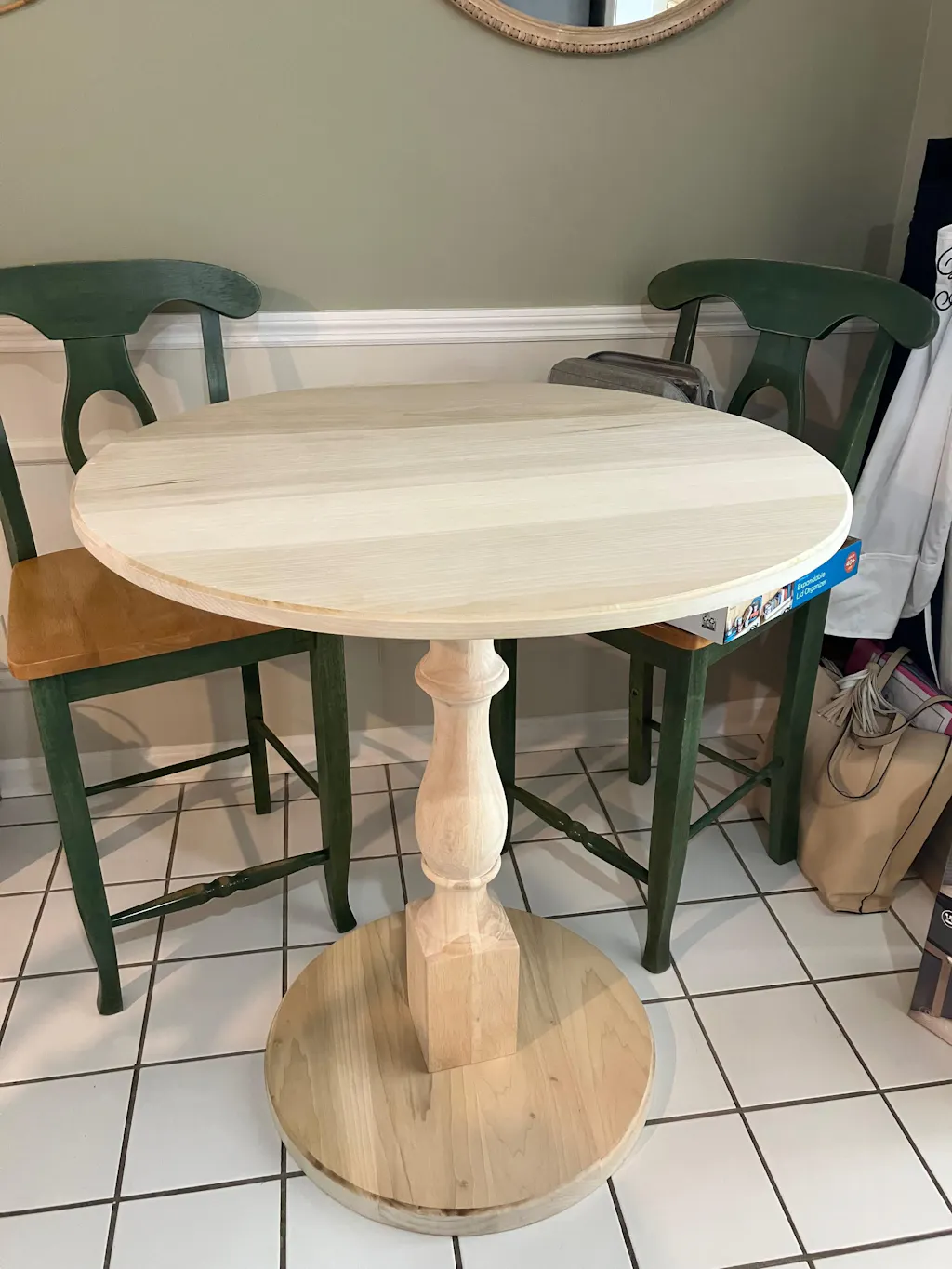
The two legs I purchased for my kitchen island remodel are gorgeous! I highly recommend this company for the quality, price and quick shipping.
Wood is already art, but these legs just set off the table top (walnut butcher block I stained and then applied my magical 6 coats of urethane. The legs are much easier to install with two people (which I had; son-in-law), but they're doable with one I'm sure--all in, installing the legs, was probably 25-40 minutes and that included having my 8-year-old granddaughter helping with the ratchet on several lag bolts (I used twelve [6 to a leg] 1 1/4-inch bolt with a tabletop thickness of 1 1/2"). These legs were a fabulous investment.
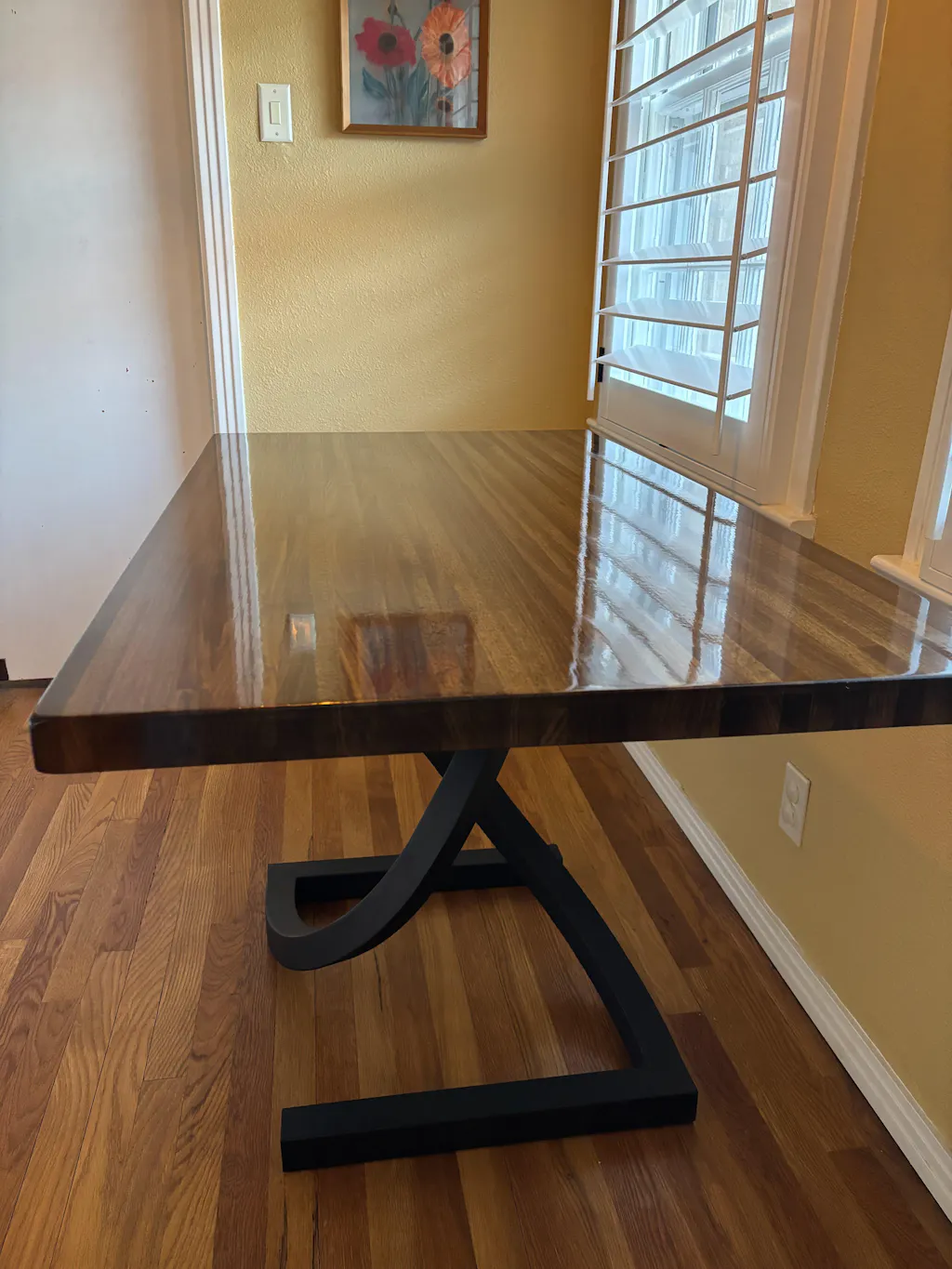
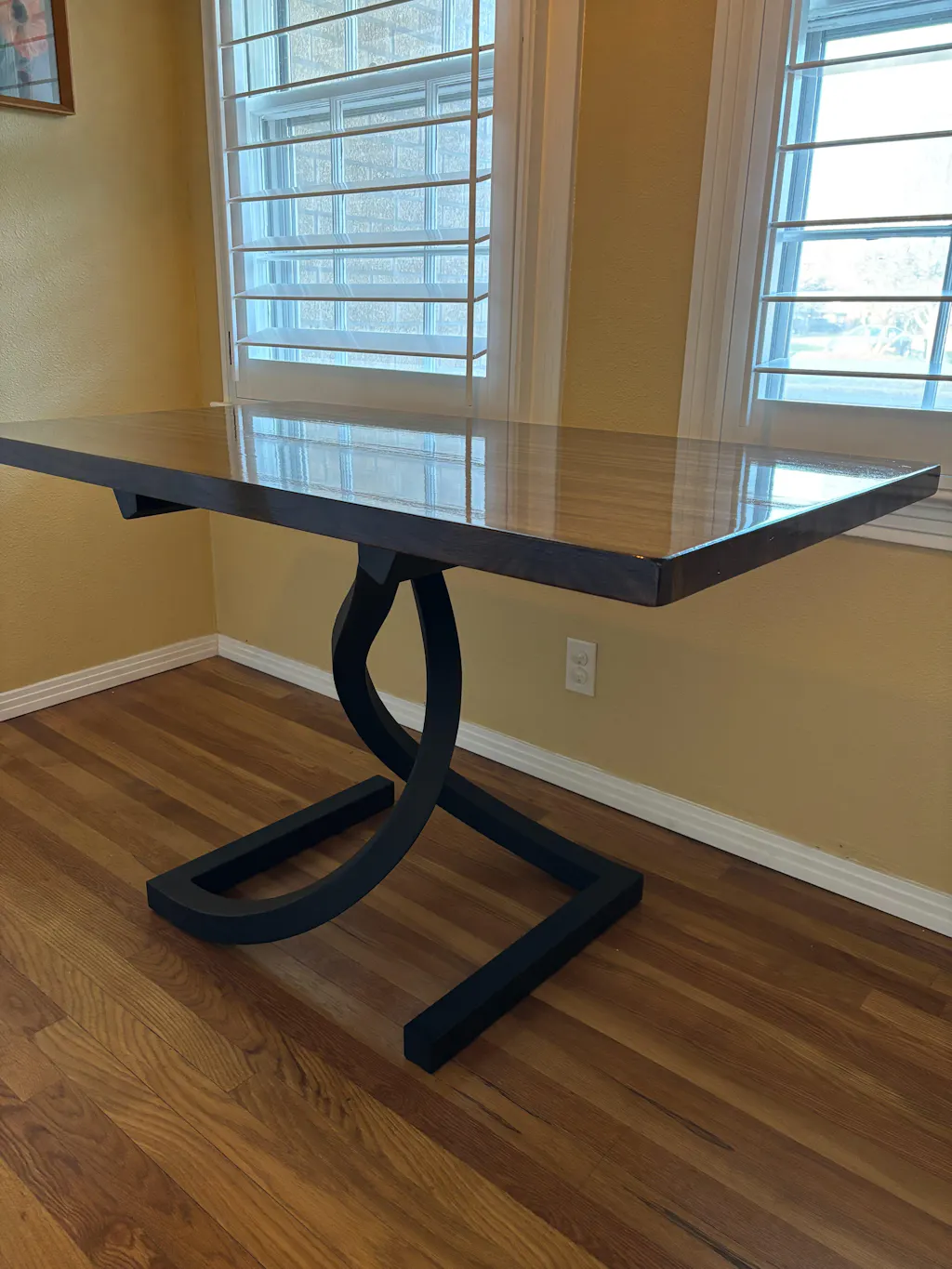
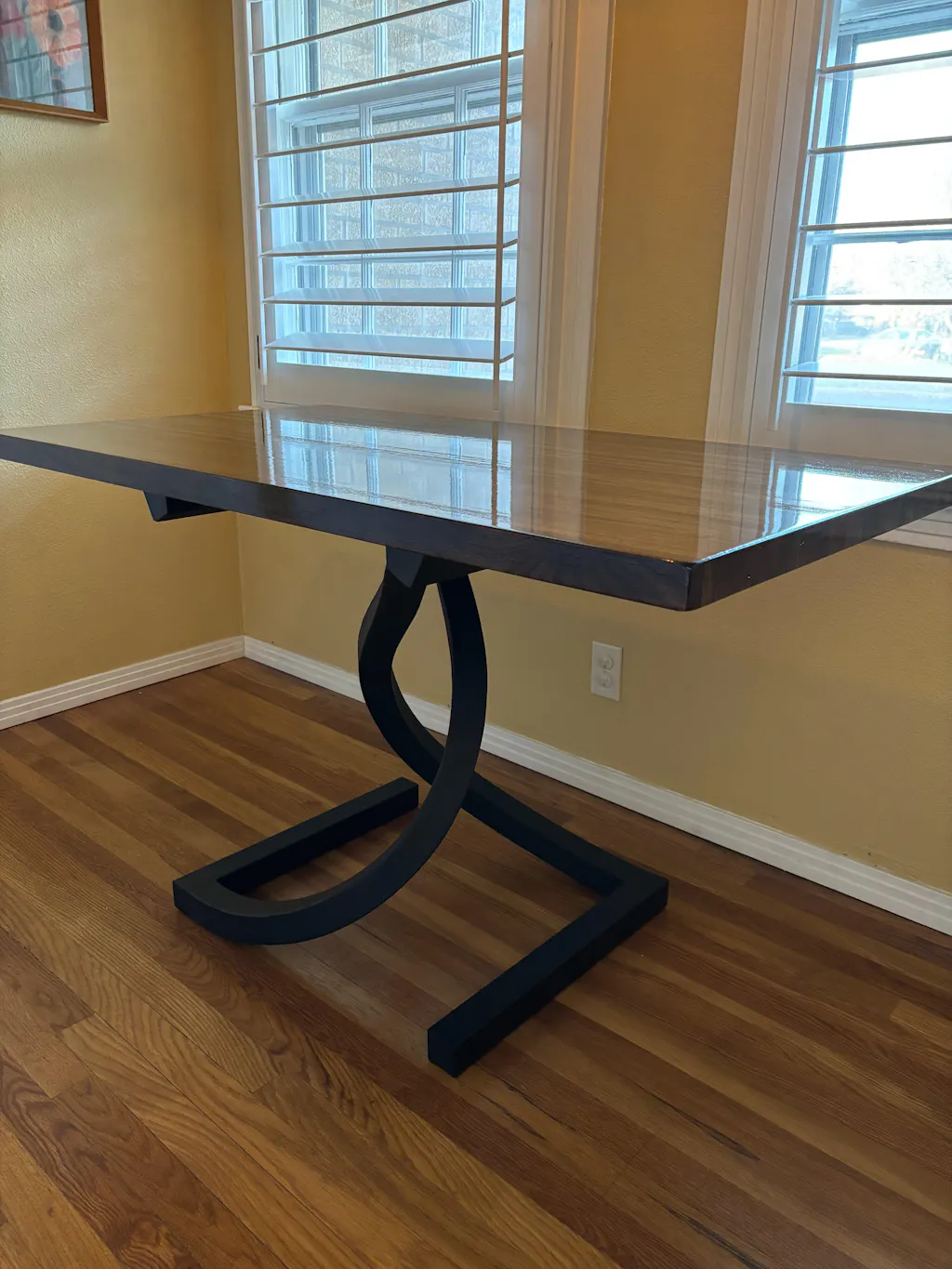
Absolutely beautiful! They look great on our island, exactly what I was looking for. They shipped very fast too!
Used many times for my small business and personal projects. Design 59 has never let me down. Fast shipping and quality products
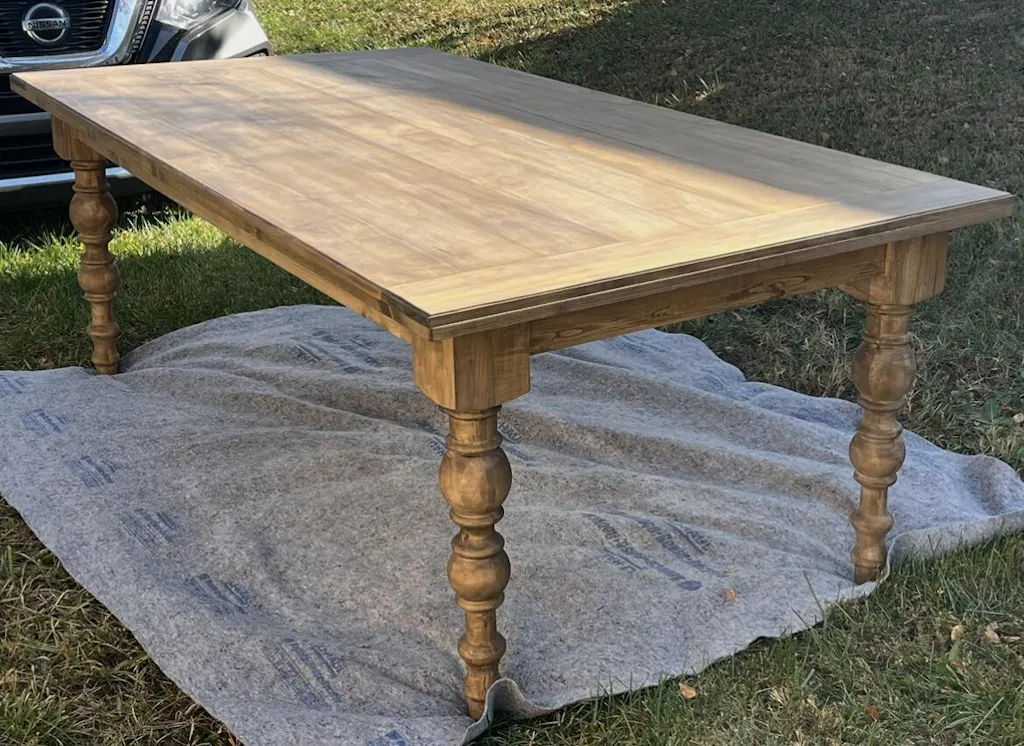
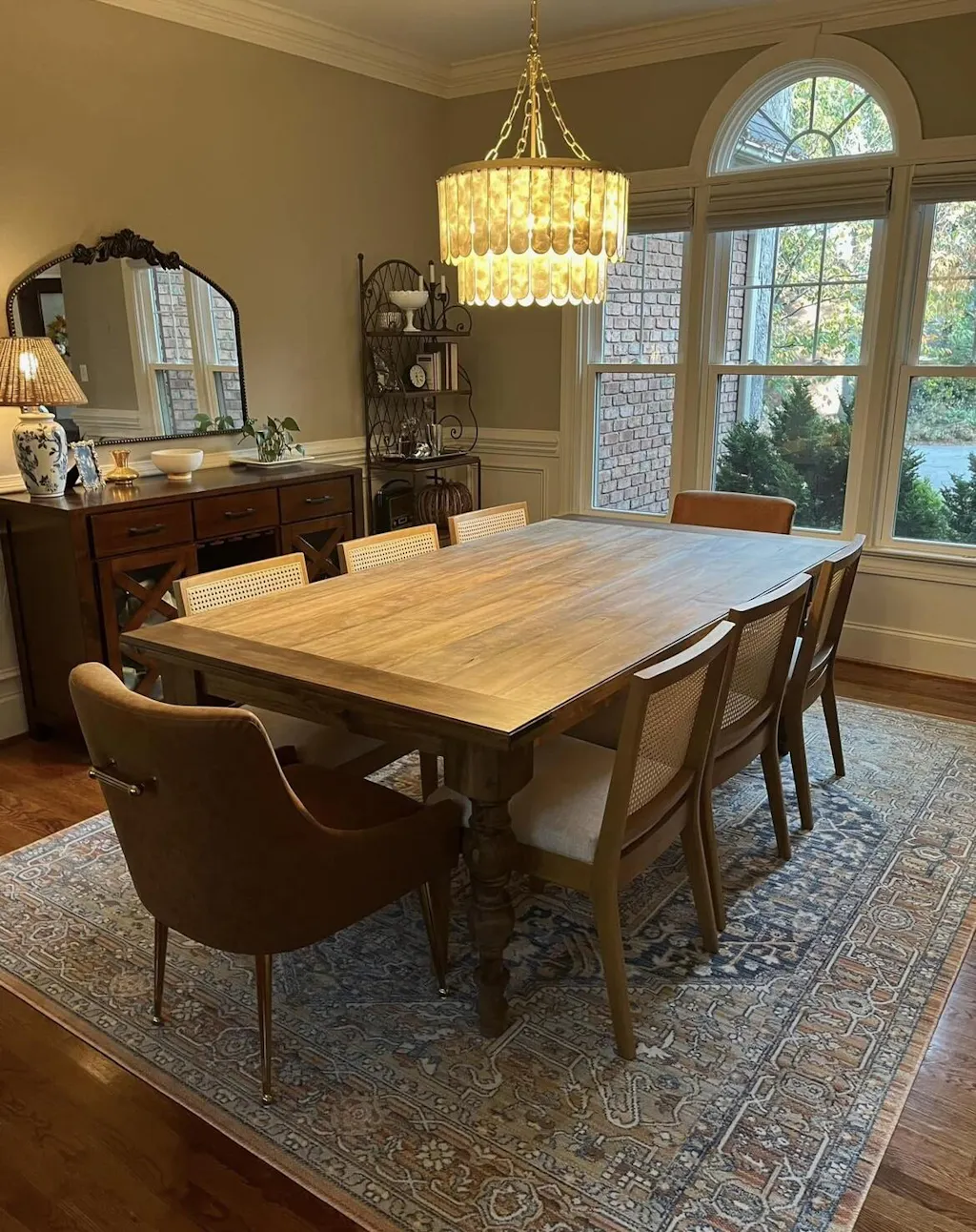
Wood Bench Legs, Farmhouse Style, Set of 4 by D59
Wonderful set of legs!!!!!
Love dealing with this company!!
First class all the way!!!!
Thank you!!
Chunky Farmhouse Wood Table Legs- Set of 4
Prompt arrival, product as described. I haven’t started my project yet, but overall check of island legs looks great.
Excellent quality! Super fast shipping!!